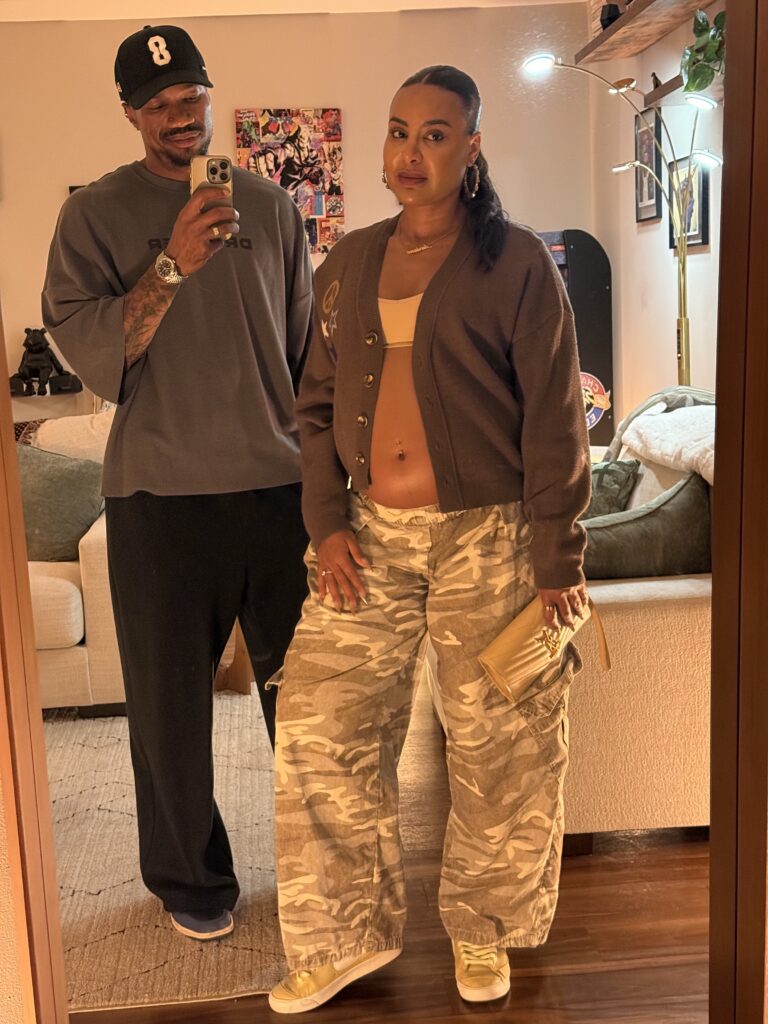

Yes, I Eat Pizza. You’re Seeing One Meal, Not 20 Years.
“Brandon, don’t you eat pizza?”
Yes.
“Don’t you eat candy?”
Yes.
“But I saw you eating—”
Bro. I was there. I know what I ate.
I get these comments from clients, and I understand where they’re coming from. When your trainer talks about eating healthy, then you see him eating pizza, you’ve got questions.
But here’s what I want people to understand:
You’re seeing one meal. I’m looking at the way I’ve lived for the past 20 years.
Those are two very different pictures.
A cheat meal doesn’t tell you somebody’s whole routine
I’ve been working out for 20 years.
That doesn’t mean I’ve eaten perfectly for 20 years. It means exercise has been a consistent part of my life. Taking care of myself is something I keep coming back to.
So when somebody points out a night when I eat pizza or have candy, my question is: What about the rest of the week?
What about the meals you didn’t see?
What about the workouts you weren’t there for?
You can’t understand somebody’s lifestyle by catching them eating one thing.
And that goes both ways. One salad doesn’t tell me how you usually eat, either.
The pattern matters more than the snapshot.
Cheat night, cheat day, cheat weekend—how long are we talking?
People use “cheat meal” to describe a lot of different things.
Sometimes it means going out for pizza on Friday night, enjoying yourself, and getting back to your regular routine at the next meal.
Other times, Friday night turns into all day Saturday. Saturday turns into Sunday. Then Monday becomes the day you’re supposed to start over—again.
At that point, we need to have an honest conversation about how much of your week is actually following the plan you say you want to follow.
There’s a difference between making room for food you enjoy and spending every weekend stepping away from your goals.
I’m not asking you to feel guilty about dinner.
I’m asking you to look at the whole week.
“I’ve got money in the bank”
This is how I sometimes explain it to my clients:
“I’ve got money in the bank. I’ve been making deposits.”
By deposits, I mean the habits I’ve built over time. Working out consistently. Making balanced meals my usual routine. Taking care of myself even when nobody is watching.
The pizza is what gets everybody’s attention. The consistency is what gets overlooked.
Now, your body isn’t literally a bank account. Twenty years of exercise doesn’t make me immune to what I do today, and a workout doesn’t buy me permission to eat.
You don’t have to earn your food.
But the money-in-the-bank comparison gets at something real about consistency: you can’t keep expecting results from a routine you rarely follow.
If most of your week is already spent outside the habits you’re trying to build, adding a whole “cheat weekend” makes those habits even harder to establish.
That’s the conversation I’m trying to have.
You don’t need my history. You need your own routine.
When I tell people I’ve been training for 20 years, I’m not saying they have to wait 20 years to enjoy pizza.
Please don’t hear that.
I’m saying you need to build a lifestyle that supports what you want—and that lifestyle has to work when there’s a birthday, a dinner invitation, or a Friday night when you don’t feel like cooking.
Because those things are going to happen.
A healthy eating routine that only works when you never go anywhere or enjoy anything is going to be difficult to live with.
For me, the goal is to have enough consistency that enjoying a meal doesn’t turn into abandoning the entire routine.
Eat the pizza. Enjoy being with your people. Then make your next choice with your goals in mind.
You don’t need to wait until Monday.
Stop comparing your whole week to my Friday night
This is where I get direct with my clients.
If you see me eating something you consider a cheat meal, that doesn’t tell you whether your current routine is helping you.
Look at your own week.
Are you following through on the workouts you planned?
Are most of your meals supporting your goals?
Are you making choices you can repeat, or swinging between being extremely strict and feeling completely off track?
And when you say, “I eat healthy,” does that describe most of your routine—or the couple of meals you remember when we talk about it?
Those are honest questions. I have to ask myself honest questions, too.
We can work with an accurate picture. It’s harder to make progress when we keep leaving parts out.
What I want my clients at The Gym Philly to understand
As Brandon RaSean, the person you train with and see outside the gym, I’m going to eat food I enjoy.
I’m going to have pizza sometimes. I’m going to have candy sometimes.
I also want you to see the part that’s less exciting to talk about: showing up consistently, building a strong fitness routine, and making healthy eating something you practice regularly.
That’s what I want for my clients at The Gym Philly.
A routine you understand. Choices you can own. Enough flexibility to live your life and enough consistency to keep moving toward your goals.
So the next time you see me eating pizza, you already know the answer.
Yes, I eat that.
But don’t confuse what’s on my plate tonight with how I’ve lived for the past 20 years.